Commercial Pooper Scooper Stations: A 2026 Playbook for HOAs and Property Managers
Managing a pet-friendly property means managing pet waste, and few things generate resident complaints faster than a neglected common area. A well-planned commercial pooper scooper and waste-station strategy keeps grounds clean, protects the community’s health, and reduces the maintenance burden on your team. This 2026 playbook is written for HOAs, apartment managers, and facility operators who need a system that scales.
I have consulted on grounds management for several multi-unit communities, and the pattern is clear: properties that invest in proper waste infrastructure spend far less on cleanup labor and enjoy noticeably higher resident satisfaction.
Why Commercial Properties Need a Dedicated Pooper Scooper Strategy
Residential tools do not survive commercial use. High foot traffic, shared lawns, and dozens of dogs demand durable equipment and a station network that makes compliance effortless. A robust commercial pooper scooper program removes the excuse of inconvenience, which is the single biggest driver of uncollected waste.
When bags and bins are within easy reach, compliance rates climb dramatically. Convenience, not signage or fines, is what actually changes behavior on a shared property.
Core Components of a Station Network
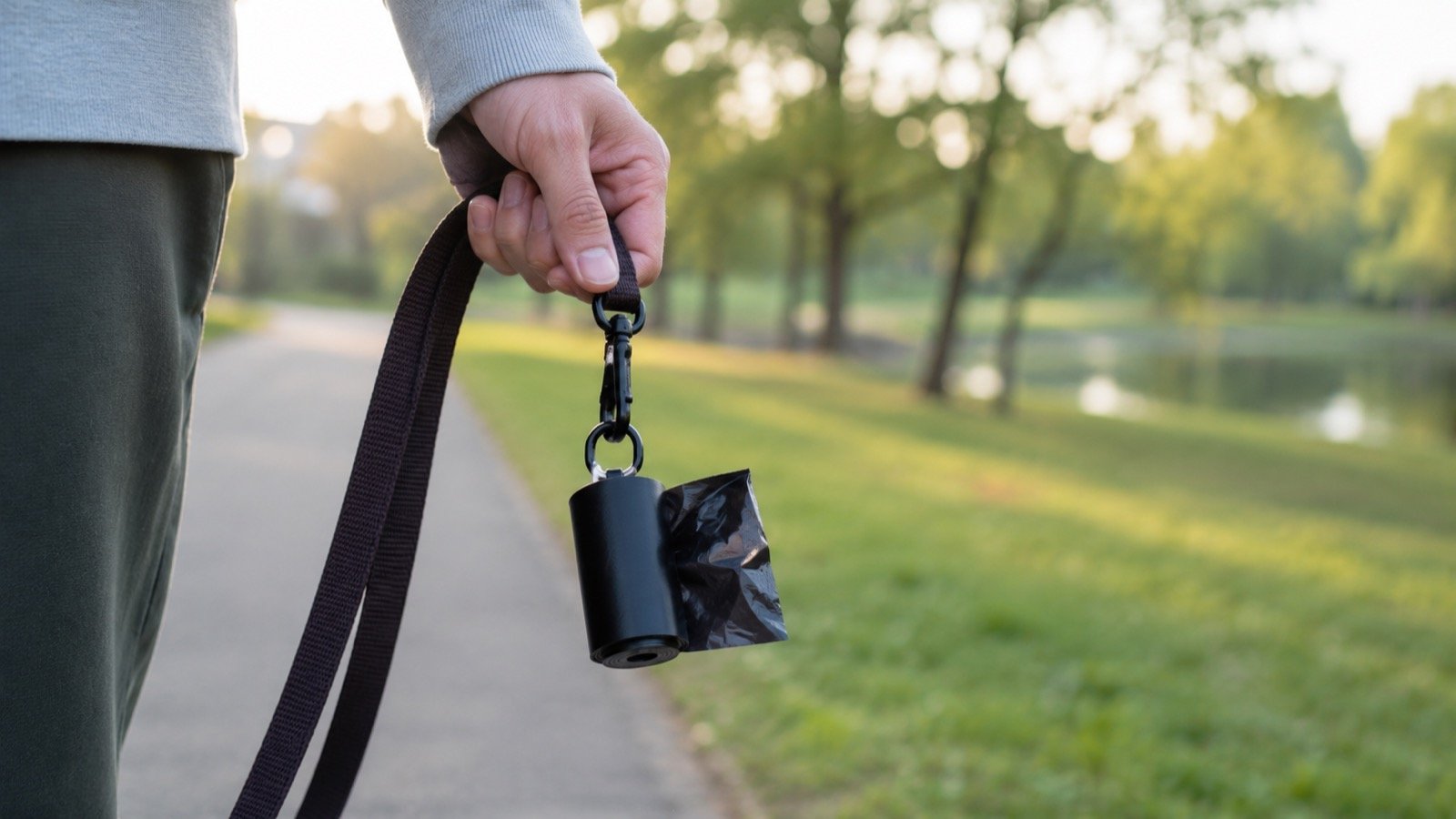
- Waste stations: bag dispensers and covered bins at high-traffic points.
- Durable scoopers: heavy-duty tools for grounds crews.
- Bulk bag supply: tear-proof liners restocked on a schedule.
- Clear signage: friendly reminders that set community norms.
Equipping your grounds crew with a professional-grade Pooper scooper ensures the periodic deep cleans go quickly, even when residents miss a spot.
How Do You Place Waste Stations Effectively?
Placement determines whether a station gets used or ignored. Strategic positioning turns good intentions into consistent behavior across the community.
- Map the paths: place stations along common walking routes.
- Cover the entries: position bins near dog-relief zones and exits.
- Space evenly: keep a station within sight from most walkways.
- Schedule restocking: empty dispensers are worse than none at all.
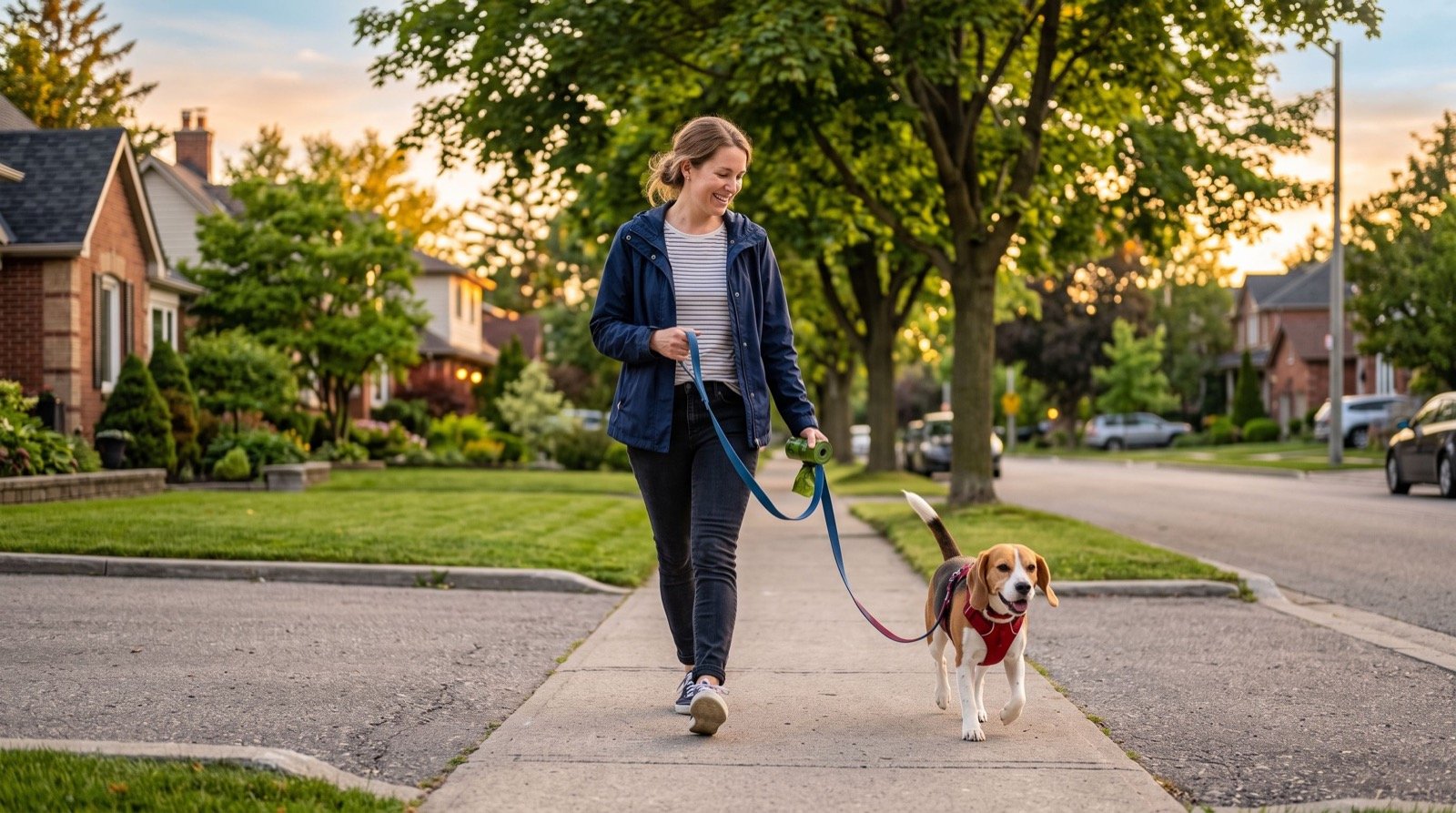
Stock every station with strong, reliable heavy Dog duty Bags so residents are never left without a usable liner. An empty dispenser silently gives permission to leave waste behind.
Station Setup Comparison
| Element | Well-Run Property | Neglected Property |
|---|---|---|
| Station density | Every walkway | One or none |
| Bag availability | Always stocked | Frequently empty |
| Crew tools | Heavy-duty scoopers | Consumer scraps |
| Complaint volume | Low | High |
| Grounds appeal | Clean, marketable | Off-putting |
The comparison is stark. A modest investment in stations and durable tools pays back through lower labor costs and a more attractive, rentable community.
The Compliance and Liability Angle
Uncollected waste is more than an eyesore; it is a health and liability concern for property managers. Runoff from common areas can affect local water quality, and standing waste attracts pests. The U.S. Environmental Protection Agency treats pet waste as a manageable pollution source. According to the Environmental Protection Agency, proactive waste programs help communities protect nearby waterways.
A Property-Manager Insight
Tie waste-station audits to your regular grounds inspection. A quick weekly check of every dispenser and bin catches shortages before residents do. Managers who coordinate with quality service providers for landscaping should fold pet-waste upkeep into the same recurring schedule for seamless coverage.
Calculating the ROI of a Waste-Station Program
Property managers answer to budgets, so the pet-waste conversation eventually comes down to numbers. The good news is that a station program almost always pays for itself, and the math is easy to demonstrate to a board or owner.
Start with the cost of the alternative. Uncollected waste drives complaints, and complaints consume staff hours, sour resident relations, and can push good tenants to leave at renewal. A single lost lease dwarfs the annual cost of stocking a dozen stations with bags.
Then factor in labor. When residents clean up after their own dogs because bags are convenient, your grounds crew spends far less time on remediation. That reclaimed labor goes toward landscaping and curb appeal that actually attracts new tenants.
A Simple Cost Breakdown
| Line Item | Annual Cost Impact |
|---|---|
| Station hardware (one-time) | Low, amortized over years |
| Bag restocking | Modest, predictable |
| Reduced crew remediation | Significant savings |
| Fewer complaints and turnover | Major retention benefit |
Presented this way, a waste-station program reads as an investment, not an expense. Communities that adopt one typically see cleaner grounds, happier residents, and lower net maintenance spending within the first year, which makes the budget conversation an easy one to win.
Rolling Out the Program Without Friction
A launch succeeds or fails on communication. Announce the new stations before they appear, explain the benefit to residents, and frame the change as an upgrade to their community rather than a crackdown. People support what they feel part of.
Place a friendly welcome notice at each new station during the first month. A simple message thanking residents for keeping shared spaces clean sets a positive tone and normalizes the behavior faster than any warning sign. Pair that with reliable restocking so early adopters are never let down by an empty dispenser.
Finally, gather feedback after thirty days. Ask residents whether station placement works for their walking routes and adjust as needed. A program that listens earns cooperation, and cooperation is what keeps grounds clean long after the novelty of the new stations fades. That ongoing goodwill is the real return on a well-run rollout.
Frequently Asked Questions
How many waste stations does a property need?
Aim for one visible station along every major walkway and near each dog-relief zone. Density drives compliance; residents use stations they can see, so err toward more rather than fewer.
What scooper should a grounds crew use?
A heavy-duty, long-handle metal scooper. It survives daily commercial use, handles large-breed waste, and speeds up deep cleans, unlike consumer plastic tools that fail under heavy workloads.
How do I improve resident compliance?
Make cleanup effortless. Keep stations stocked, place them conveniently, and add friendly signage. Convenience changes behavior far more effectively than fines or warning notices ever will.
Who is liable for uncollected waste on common grounds?
Property managers carry responsibility for common-area upkeep, including pest and health concerns from accumulated waste. A proactive station program reduces both liability exposure and resident complaints.
Upgrade Your Property’s Waste Program in 2026
A clean, pet-friendly community is a competitive advantage, and it starts with the right commercial pooper scooper strategy. Build a station network, equip your crew with durable tools, and keep every dispenser stocked. Ready to cut complaints and lift your grounds appeal? Roll out a professional waste-station program in 2026 and make cleanliness a selling point.