
Buy Solar Panels in Pakistan: Smart 2026 Checklist
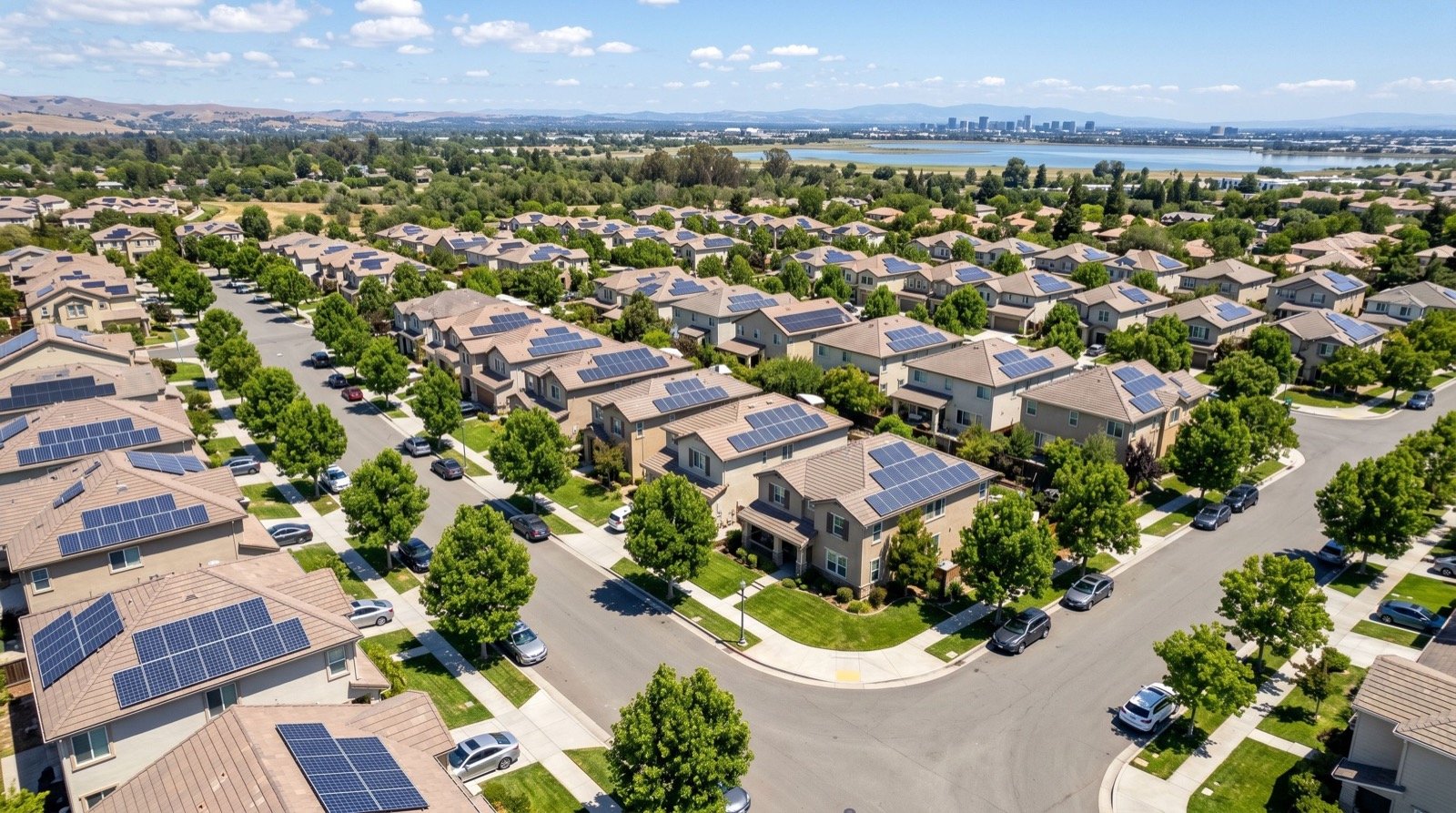
Falling hardware prices and relentless grid-tariff hikes have made 2026 the year to buy solar panels in Pakistan with confidence. Yet the market is crowded with mismatched kits, grey-market modules, and quotes that hide the real cost. This checklist helps you separate genuine value from marketing noise so your money buys decades of reliable power.
Whether you want to buy solar panels in Pakistan for a city home, a shop, or a small factory, the fundamentals are the same: verified components, correct sizing, and honest paperwork. Get those three right and the rest follows.
Understand What You Are Actually Buying
A solar system is not just panels. It is a package of modules, an inverter, mounting structure, protection gear, cabling, and commissioning labour.
Cheap quotes usually cut corners on the invisible parts: thin cables, no surge protection, or a no-name inverter. Those savings vanish the first time a fault takes the system offline.
- Panels: tier-1 monocrystalline, 575 W or higher, with 25-year performance warranty.
- Inverter: reputable hybrid or on-grid unit with local service support.
- Structure: hot-dip galvanised or aluminium, rated for local wind loads.
- Protection: DC/AC breakers, surge arrestors, and proper earthing.
How Much Should You Pay in 2026?
Prices vary by city, brand, and whether storage is included. The table shows realistic turnkey ranges for on-grid systems this year.
| System | Typical Use | Indicative Price (PKR) | Payback |
|---|---|---|---|
| 5 kW | Small home | 900,000–1,150,000 | 3–5 years |
| 10 kW | Large home / shop | 1,700,000–2,100,000 | 3–4 years |
| 25 kW | Commercial unit | 4,200,000–5,200,000 | 2.5–4 years |
Commercial buyers often see the fastest payback because daytime production matches business hours. That alignment maximises self-consumption and net-metering credits.
What Should You Check Before You Buy Solar Panels in Pakistan?
Due diligence is where buyers protect themselves. A legitimate vendor welcomes scrutiny and provides documents without hesitation.
- Ask for the panel and inverter datasheets and serial numbers.
- Confirm warranties are honoured locally, not just on paper.
- Request a shade analysis and a written system yield estimate.
- Get the full bill of materials, not a lump-sum figure.
- Verify the installer handles your net-metering application.
Verifying equipment legitimacy is easier than ever. Many leading manufacturers let you confirm module authenticity directly, and you can check serial numbers through a maker such as LONGi Solar before accepting delivery.
Choosing a Vendor You Can Trust
Hardware is only as good as the team installing it. A strong track record, real references, and after-sales support matter more than the lowest headline price.
Working with a Best Solar Company that designs, installs, and services in-house keeps accountability under one roof. Avoid middlemen who subcontract the actual work to unknown crews.
Look for installers who behave like quality service providers: transparent, responsive, and willing to put every promise in writing. That professionalism predicts how they will treat you after the sale.
Red Flags to Walk Away From
- No physical office or verifiable installation history.
- Reluctance to name the exact panel and inverter brands.
- Prices far below the market with vague specifications.
- Pressure to pay fully upfront before any site survey.
Net Metering Turns a Purchase Into an Investment
Net metering lets you export surplus daytime units and draw them back later, settling the difference monthly. It is the feature that transforms solar from a backup gadget into a bill-killer.
Ensure your chosen system uses a compliant bidirectional meter and inverter. The installer should manage the application with your local distribution company from start to finish.
Plan for the Long Term
Quality modules degrade less than 0.5% per year, so a well-built array still delivers strong output after two decades. Treat the purchase as a 25-year asset, not a one-season gadget.
Keep panels clean, monitor generation through the app, and schedule an annual inspection. Small maintenance habits protect a large investment.
On-Grid, Hybrid, or Off-Grid: What to Purchase
Your choice of system type shapes both price and benefit, so decide this before comparing quotes. Each configuration serves a different priority.
- On-grid: cheapest and simplest, with net metering for maximum savings, but no power during outages.
- Hybrid: adds a battery for backup while still exporting surplus, ideal where load-shedding is frequent.
- Off-grid: fully independent with larger batteries, suited to remote sites without a reliable connection.
Most urban buyers choose on-grid or hybrid because the economics are far stronger. Off-grid makes sense mainly where extending the grid is impractical.
Reading a Quote Like a Professional
A trustworthy quote is detailed and comparable, not a single number on a letterhead. Insist on line items so you can weigh value accurately.
- Panel brand, wattage, quantity, and warranty terms.
- Inverter brand, model, and whether it is on-grid or hybrid.
- Mounting material, cabling gauge, and protection devices.
- Installation labour, net-metering handling, and after-sales support.
When two quotes differ sharply in price, the gap almost always hides in these details. The cheaper option usually trims warranty length, cable quality, or protection gear, which costs you later.
Think in Decades, Not Months
Solar is a long-term asset, so weigh lifetime value over the opening price. A slightly dearer system with tier-1 modules and a strong inverter typically out-earns a bargain kit many times over across 25 years.
Build a relationship with a vendor who will still answer the phone in year ten. Reliable after-sales service is part of what you are buying.
Frequently Asked Questions
Is 2026 a good time to buy solar panels in Pakistan?
Yes. Module prices are historically low while grid tariffs keep climbing, so payback periods of three to four years are common for well-designed grid-tied systems.
Should I buy only the panels or a full system?
Buy a complete, professionally designed system. Mismatched components and amateur wiring are the leading causes of underperformance and voided warranties.
How do I know the panels are genuine tier-1 modules?
Request serial numbers and verify them on the manufacturer’s portal, and insist on the official datasheet. Reputable vendors provide both without hesitation.
Do I need a battery to save money?
No. Daytime savings and net-metering credits work without storage. Add a battery only if you need backup power during outages.
Final Thoughts
The smart way to buy solar panels in Pakistan in 2026 is to demand transparency: verified components, a detailed bill of materials, honest yield estimates, and a vendor who stands behind the install. Follow this checklist, compare at least two written quotes, and you will secure a system that pays for itself quickly and keeps delivering for decades.