Queue Management System in Saudi Arabia: 2026 Retail Guide
A reliable queue management system in saudi arabia is no longer a luxury for busy retail floors, clinics, and government service centers — it is the difference between a five-star review and a walk-out customer. In 2026, Saudi businesses are racing to modernize the customer journey, and queueing technology sits at the center of that shift. This guide breaks down what actually works, what it costs, and how to roll it out without disrupting daily operations.
Long lines cost more than patience. Studies on retail abandonment consistently show that shoppers leave once a wait crosses the five-minute mark, and in high-traffic Saudi cities like Riyadh, Jeddah, and Dammam, that threshold is hit daily during peak hours, Ramadan evenings, and weekend mall rushes. Store managers who ignore queue data are effectively guessing at staffing and losing revenue to invisible churn.
Why Queue Management Matters More in 2026
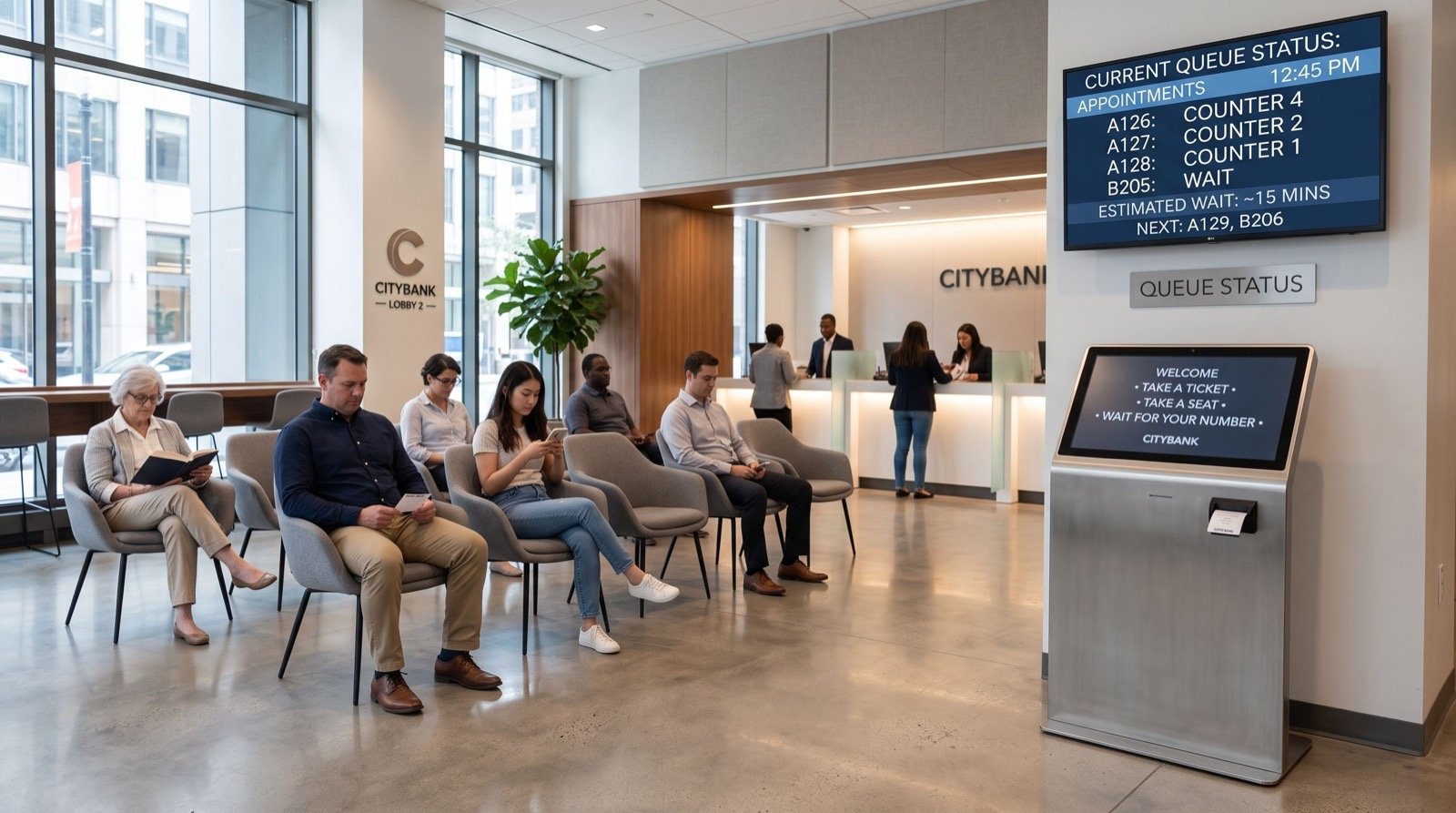
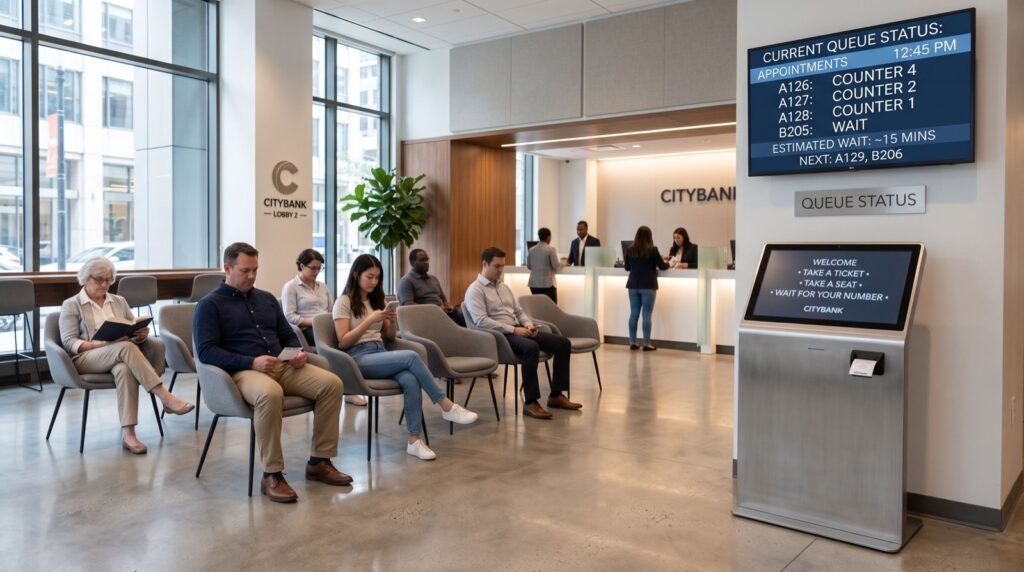
Consumer expectations have shifted hard toward instant service. Mobile-first shoppers in the Kingdom now compare their in-store experience against same-day delivery apps, and a slow line feels like a broken product. A modern queue management system in saudi arabia solves this by ticketing customers digitally, routing them to the fastest available counter, and feeding live wait-time data to a manager’s dashboard.
This isn’t theoretical. Government service centers across the Kingdom adopted digital queueing years ago as part of the broader push toward smart-city infrastructure, and private retailers are now following the same playbook because the data proves it reduces complaints and improves staff allocation. Saudi Arabia’s own digital transformation agenda, outlined by the Vision 2030 program, explicitly pushes retail and service sectors toward this kind of customer-experience automation.
There’s also a staffing angle that often gets overlooked. Managers who can see live queue data stop guessing when to call in extra help; they can see a bottleneck forming at the 2pm mark on Thursdays and schedule accordingly instead of reacting after customers have already started complaining. Over a full quarter, that kind of proactive scheduling tends to reduce overtime costs while simultaneously improving the customer experience — a rare case where the cheaper option and the better option are the same decision.
Where Drive-Thru Technology Fits In
Queue management isn’t only about the line inside the door. Quick-service restaurants and pharmacies are now extending the same logic to their drive lanes. A growing number of chains are installing HME Drive Thru in Riyadh locations to cut order-to-pickup time and reduce the order-taker error rate that frustrates both staff and customers.
The appeal is simple: a headset-based drive-thru system lets one employee manage multiple lanes, timestamps every order automatically, and syncs directly with the point-of-sale. Combined with indoor queue ticketing, a business gets a single, unified view of customer flow across every entry point — counter, drive lane, and curbside pickup.
Hardware Comparison: Choosing the Right Setup
Not every business needs the same configuration. Below is a practical comparison of the three most common setups Saudi retailers deploy in 2026.
| Setup | Best For | Avg. Wait-Time Cut | Typical Install Time |
|---|---|---|---|
| Kiosk + digital ticket display | Banks, clinics, government offices | 30–45% | 2–3 days |
| Mobile app virtual queue | Malls, large retail chains | 20–35% | 1–2 weeks |
| Headset drive-thru + counter hybrid | QSR, pharmacies, cafes | 25–40% | 3–5 days |
Most mid-size retailers in 2026 are landing on a hybrid model: a kiosk at the door for walk-ins, paired with a lightweight mobile notification so customers can shop elsewhere while they wait their turn.
Rollout Checklist for Store Owners
Before signing a contract with any vendor, walk through this checklist. It’s based on patterns we’ve seen repeat across dozens of Saudi retail rollouts.
- Map your actual peak hours using at least 30 days of foot-traffic data, not assumptions.
- Confirm the system supports both Arabic and English ticket displays — a frequent oversight that triggers customer complaints.
- Check that the vendor offers local Saudi support, not just a regional call center with long response times.
- Test integration with your existing POS and CRM before committing to a multi-location rollout.
- Budget for staff training; the hardware is only as good as the team operating it.
One practical tip that often gets skipped: run the new queue system in “shadow mode” for one week, logging digital wait times alongside your old manual method. This single step catches configuration errors before customers ever see them, and it gives you a clean before/after number to show ownership or franchise partners.
Implementation Steps That Actually Work
Here is the sequence that minimizes downtime during a switch-over, based on real rollouts across Saudi retail chains this year.
- Audit current foot traffic and staffing patterns for at least two full weeks.
- Select hardware sized to your busiest single hour, not your daily average.
- Pilot the system in one location for 30 days before a full chain rollout.
- Train floor staff on override procedures for system outages or power interruptions.
- Review wait-time analytics monthly and adjust staffing schedules accordingly.
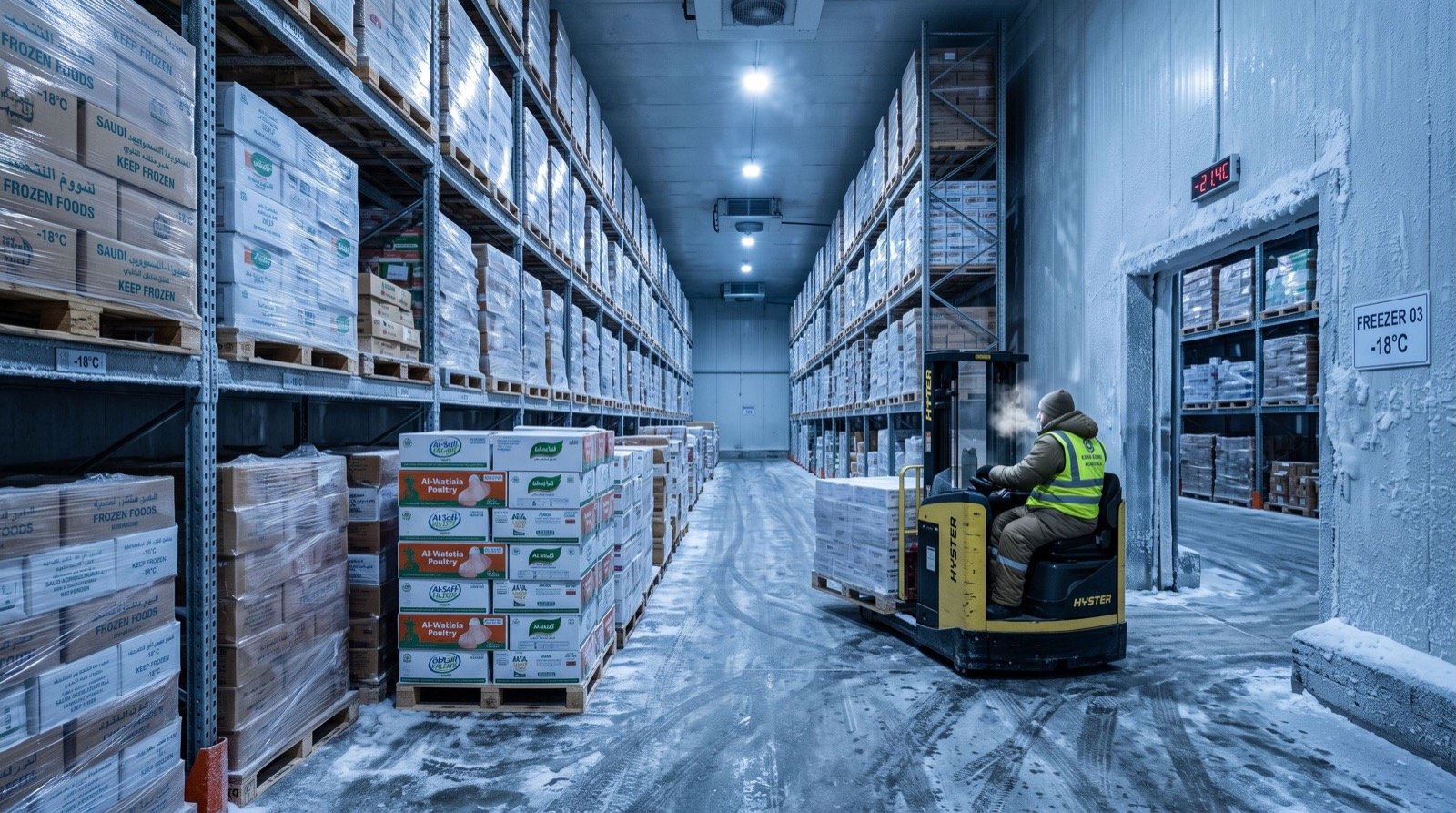
Facility readiness matters just as much as the software. Clean, organized front-of-house storage keeps kiosks and signage from looking cluttered, and many retailers coordinate their tech rollout with a storage refresh at the same time. For that side of the project, several Saudi operators rely on dependable specialists to keep supply rooms organized so the new customer-facing equipment isn’t competing with clutter for attention.
Frequently Asked Questions
How much does a queue management system cost in Saudi Arabia?
Pricing in 2026 typically ranges from SAR 3,000 to SAR 15,000 per location depending on whether you choose a basic kiosk ticketing setup or a full mobile-app virtual queue with analytics. Multi-location chains usually negotiate a per-site licensing discount.
Does a drive-thru system work with an existing POS?
Most modern headset drive-thru platforms integrate with major POS providers through standard APIs, but you should always confirm compatibility with your specific POS vendor before purchase to avoid a costly rebuild later.
Is Arabic-language support standard?
Reputable vendors serving the Saudi market build in bilingual Arabic-English displays by default, but it’s worth confirming during the sales call since some imported systems treat Arabic as an add-on feature.
How long does staff training take?
Most front-line staff reach comfortable proficiency within two to three shifts, though managers overseeing analytics dashboards typically need a half-day session to understand reporting tools fully.
Whether you run a single boutique or a multi-branch chain, the right queue management system in Saudi Arabia pays for itself within months through reduced walk-outs and better staff utilization. Start with a pilot, measure honestly, and scale what works. The businesses that treat this as an ongoing data habit, rather than a one-time install, are the ones still seeing measurable gains a year after launch.